
What’s New
Create interactive proposals clients can review, customize, approve, sign and pay.

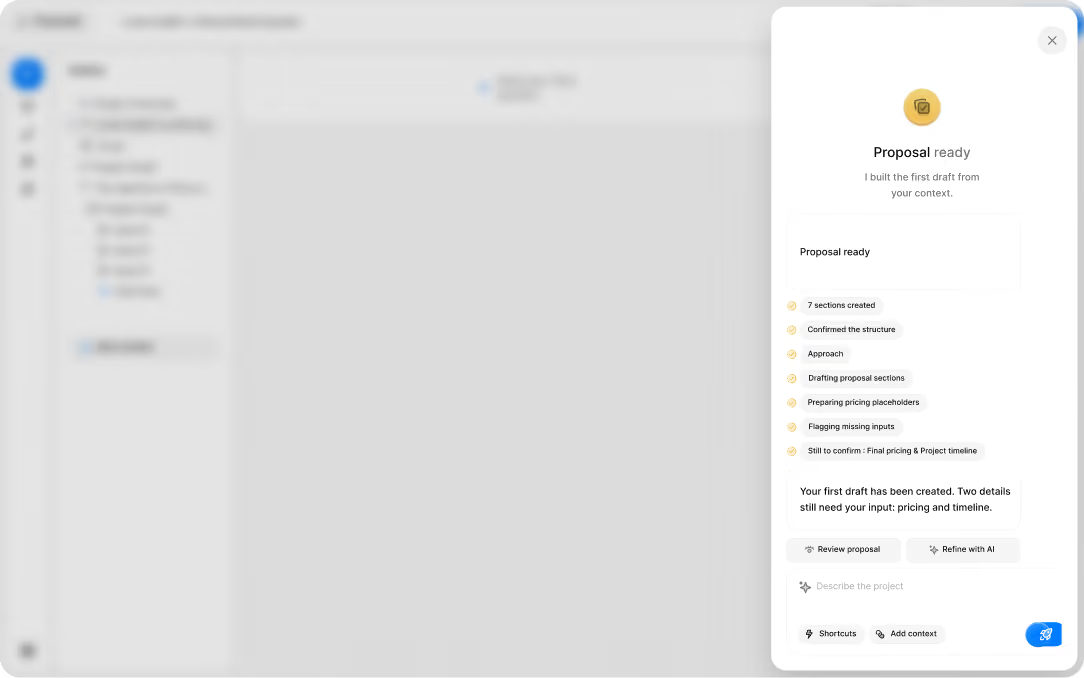
AI Proposal Composer
Start from a conversation, not a blank page.
Give Pegasy your project context, notes, client information or supporting files. It identifies what matters, flags what's missing, recommends the strongest structure and turns it into a proposal using real sections from your Library.
Notion comes to Pegasy
Bring the context you already have into the proposal workflow.
We're connecting Notion to Pegasy so project notes, briefs and existing documentation can become source material for proposal creation, without rewriting everything from scratch.
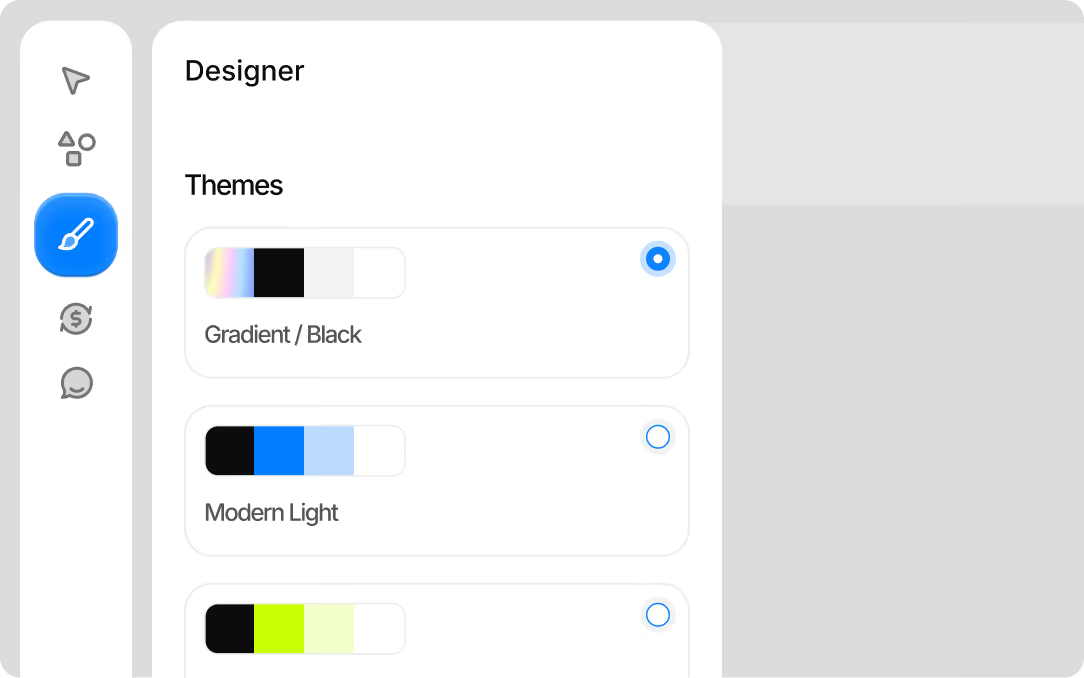
14 proposal themes
One proposal structure. Fourteen different visual directions.
Pegasy now supports a complete Theme × Mode system, with Light and Dark variations designed to preserve hierarchy, readability and consistency across every proposal section.
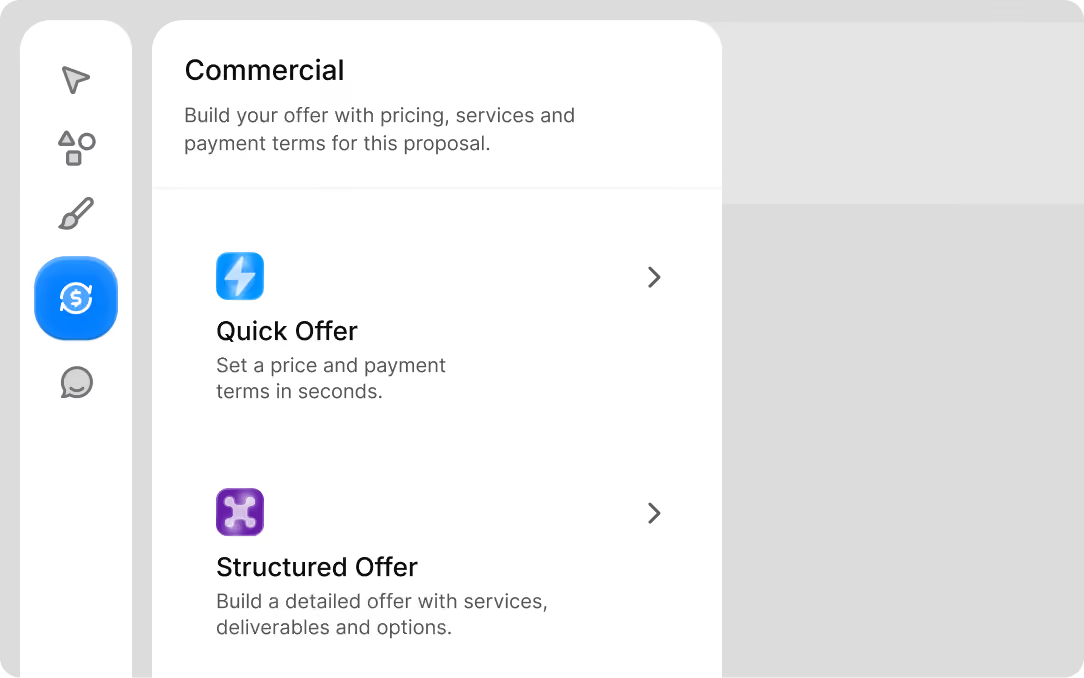
A simpler offer model
Commercial proposals should be easy to understand, for sellers and buyers.
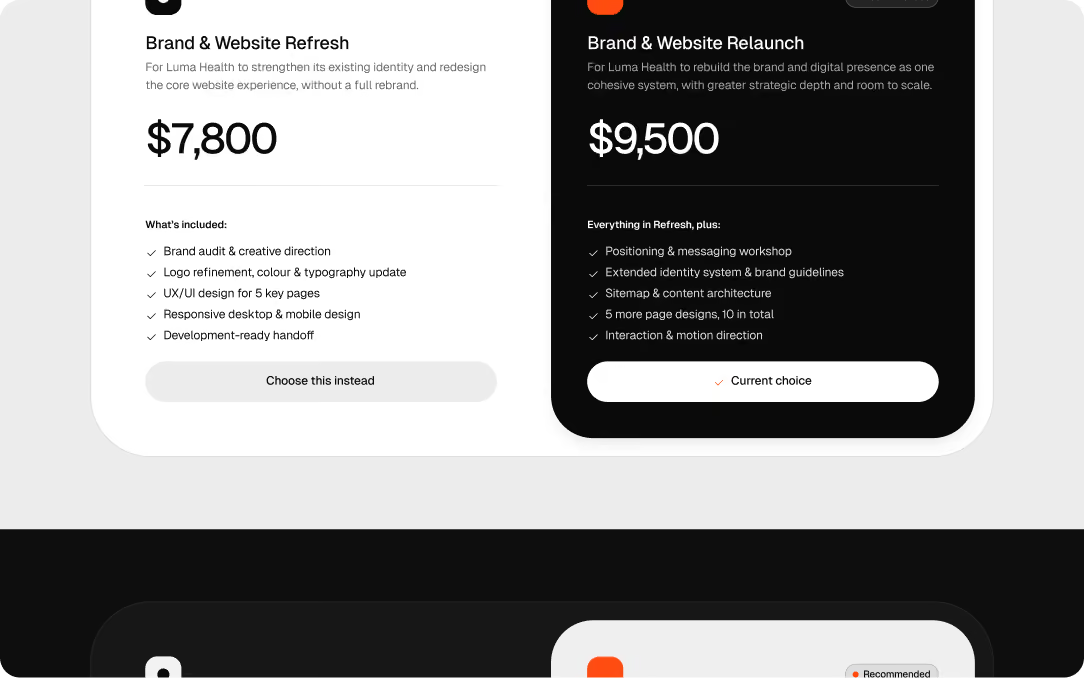
One offer is now the default, with an optional second offer when a real choice is needed. Investment layouts now cover One Offer, Fixed, Line Items and Compare 2.
A much bigger proposal library
More ways to tell the story without starting from scratch.
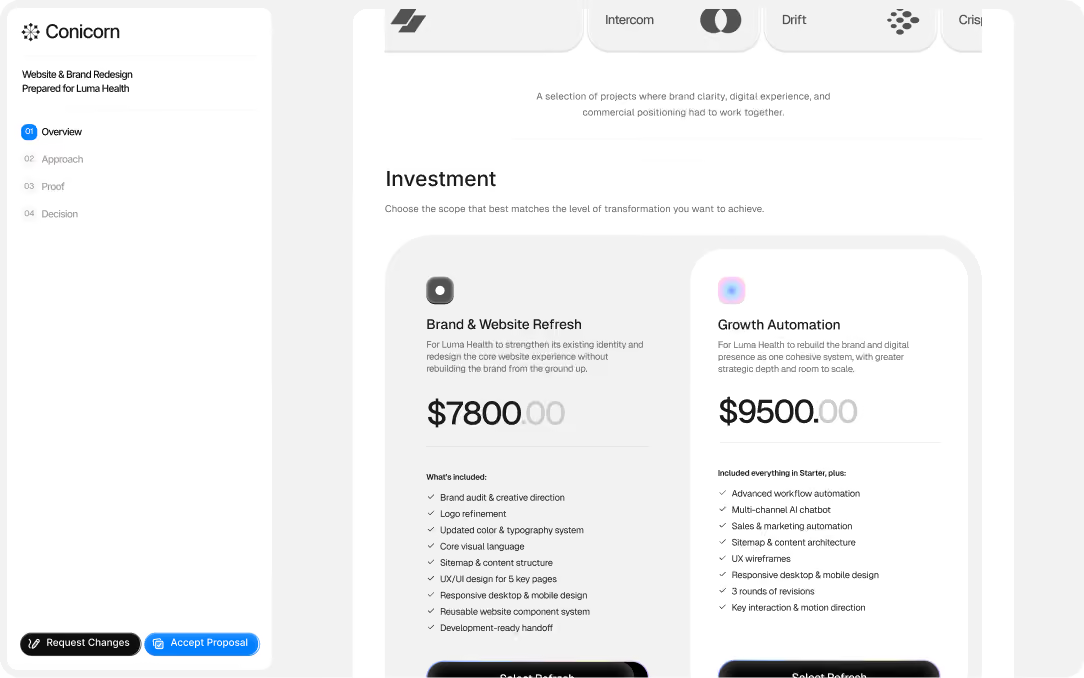
The Pegasy Library expanded with dozens of reusable layouts for strategy, scope, process, proof, teams, project rhythm, commercial offers and more.
A better proposal preview
See the proposal much closer to the way your client will.
Preview now follows the real buyer experience across desktop, tablet and mobile, making it easier to review the final proposal before publishing.

Pegasy moves to pegasy.app
Pegasy got a new home.
The seller application, API and buyer proposal experience moved onto a dedicated application infrastructure, creating a cleaner foundation for authentication, public proposals and everything coming next.
A real commercial engine
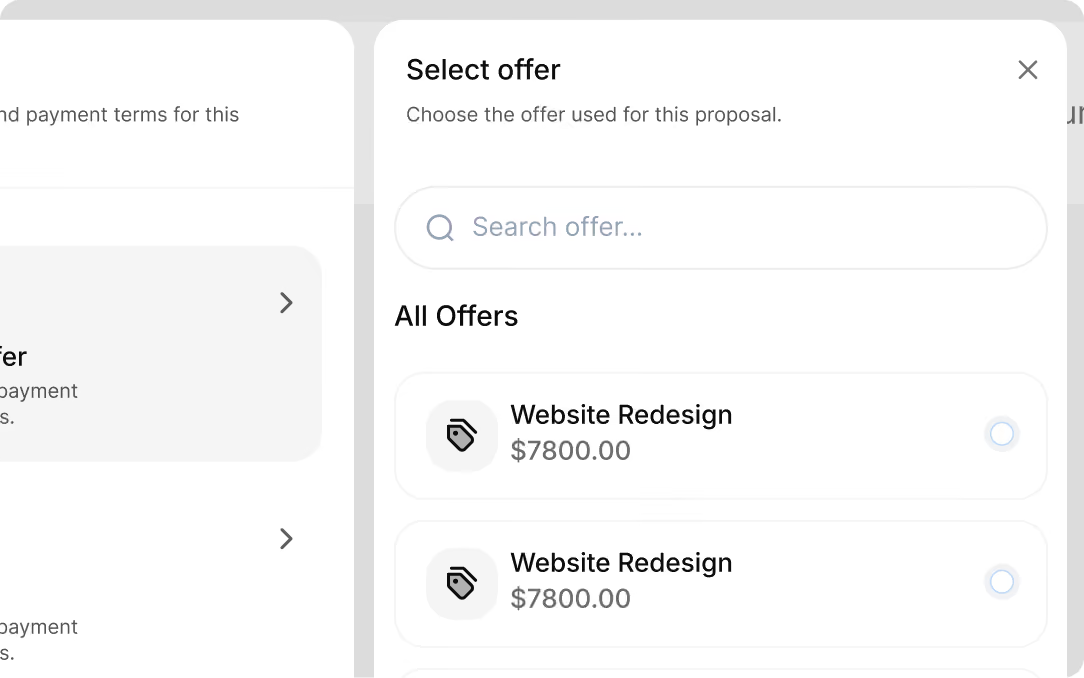
Pricing became part of the product, not text typed into a document.
Pegasy introduced structured offers, multiple currencies and reusable commercial information so totals and payment terms can stay consistent throughout the proposal.
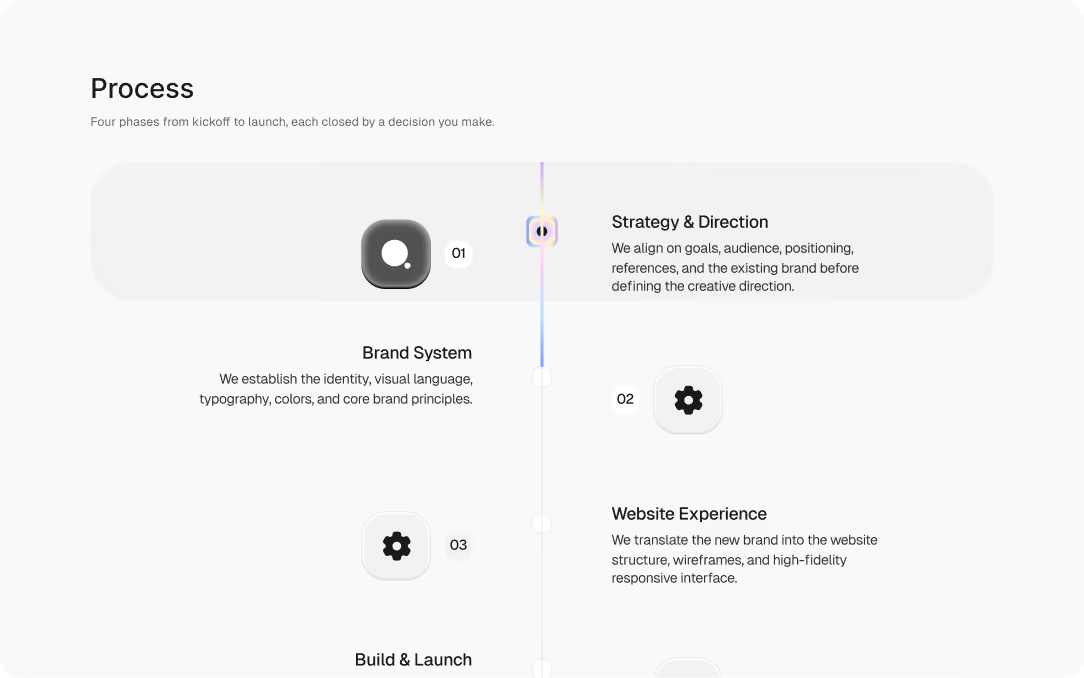
From proposal to decision
A proposal shouldn't end when someone finishes reading it.
The buyer experience evolved to support reviewing the offer, requesting changes and making a decision directly inside the proposal.
Clients, deals and proposals together
The work behind a proposal finally had somewhere to live.
Pegasy brought companies, contacts, deals and proposals into the same commercial workspace, keeping context connected without becoming another traditional CRM.
Reusable proposal sections
The blank page started disappearing.
Pegasy introduced its first reusable proposal sections for strategy, scope, process, proof, teams and commercial content, giving every proposal a stronger starting point.
The proposal editor takes shape
Proposal creation became structured instead of static.
Content, layout and commercial information could now live together inside one editor, while keeping every section independently editable.
Interactive proposals
Proposals started behaving less like files and more like experiences.
Pegasy moved toward web-based, interactive proposals designed to guide buyers from the first read through to a clear decision.
The first Pegasy workspace
Pegasy started becoming more than a proposal builder.
Workspace identity, client context and proposal settings came together to create a product built around the service business behind the work.
From proposals to closing
The original idea started getting bigger.
Pegasy's scope expanded beyond creating proposals and toward the full journey between presenting the work, helping a buyer decide and moving the opportunity forward.
Pegasy begins
Pegasy started with a simple idea:
service businesses deserve a better way to turn opportunities into signed work. This is where the first product foundations, proposal experience and closing workflow began.